Why a brand narrative matters more than you think
Here’s something we see a lot. A medical brand with genuinely brilliant science, a product that makes a real difference to patients, but communications that somehow fail to land.
It’s not because the information is wrong, there isn’t a story holding it together.
Data without purpose and structure is just noise. In a sector where every competitor has data, the brands that get remembered are the ones that also have something meaningful to say.
What do we mean by brand narrative?
It’s not a tagline. It’s not a mission statement that lives on a wall and nowhere else.
A brand narrative is the line that connects everything. It connects why your brand exists, what it stands for, who it’s for, and why that matters. It’s what makes a clinician remember you between visits. It’s what makes a patient feel like a brand understands their experience, not just their condition.
Done well, it means every piece of communication, from a clinical detail aid to a patient leaflet to a LinkedIn post, feels like it comes from the same place.
Done badly, or not at all, you get confusion. Different agencies, different tones, different messages, none of it adding up to anything coherent. We’ve seen it more times than we’d like to admit.
The brands that get this right
Pfizer’s Science Will Win campaign during the pandemic is a good example.
Rather than leading with products, they focused on the people behind the breakthroughs; the scientists, the lab workers, the communities. It shifted Pfizer from feeling like a faceless corporation to something people could actually connect with.
The science didn’t change. The story around it did. https://www.youtube.com/watch?v=Xl0tEfLve1U
GSK’s Inhale respiratory work took a similar approach, putting patient journeys front and centre rather than molecules, connecting with both clinicians and patients by making the day-to-day reality of managing a chronic condition the focus. https://peersinpractice.gsk.com/inhale/
And ViiV Healthcare’s HIV awareness campaign is another one worth looking at. No product promotion, just authentic voices speaking to a real problem (the communication gap around HIV) in a way that felt necessary rather than manufactured.
It generated over 1.7 million organic views and, more importantly, started a serious conversation. https://viivhealthcare.com/hiv-community-engagement/hiv-in-view/
What these brands have in common is that they didn’t start with the product. They started with the person.
Why most medical brands haven’t cracked it yet
The pharma world has historically stayed in the safe zone of clinical data, standard summary phrases and tight product features. And that’s understandable. The regulatory environment is tight, the stakes are high, and leading with emotion can feel risky when you’re used to leading with evidence.
But evidence and story aren’t opposites. Research in cognitive psychology shows that stories are remembered up to 22 times more effectively than facts alone.
That’s not a creative opinion, that’s neuroscience. And in a sector where HCPs are drowning in information and patients are anxious and overwhelmed, being memorable and human is a genuine competitive advantage.
The brands still hiding behind data are leaving that advantage on the table.
Brand narrative becomes a foundation
This is the bit most brands miss. They think about storytelling as a campaign mechanic, something you do for a product launch or a disease awareness month before moving on.
Real brand narrative is more structural than that. It’s the foundation everything else is built on. It should exist before the campaign brief is written, before the agency is appointed, before the first asset is designed.
That means doing the work upfront. Understanding your audience properly. Defining what your brand genuinely stands for beyond the clinical claim. Mapping out the story you want to tell and who you’re telling it to at each stage of their journey.
Ask yourself, if you stripped out every mention of your product name from your current communications, would anything that remained tell a coherent story about who you are and why you exist?
For most medical brands, the honest answer is no.
So, it’s an opportunity. And it’s exactly the kind of thing we help brands work through.
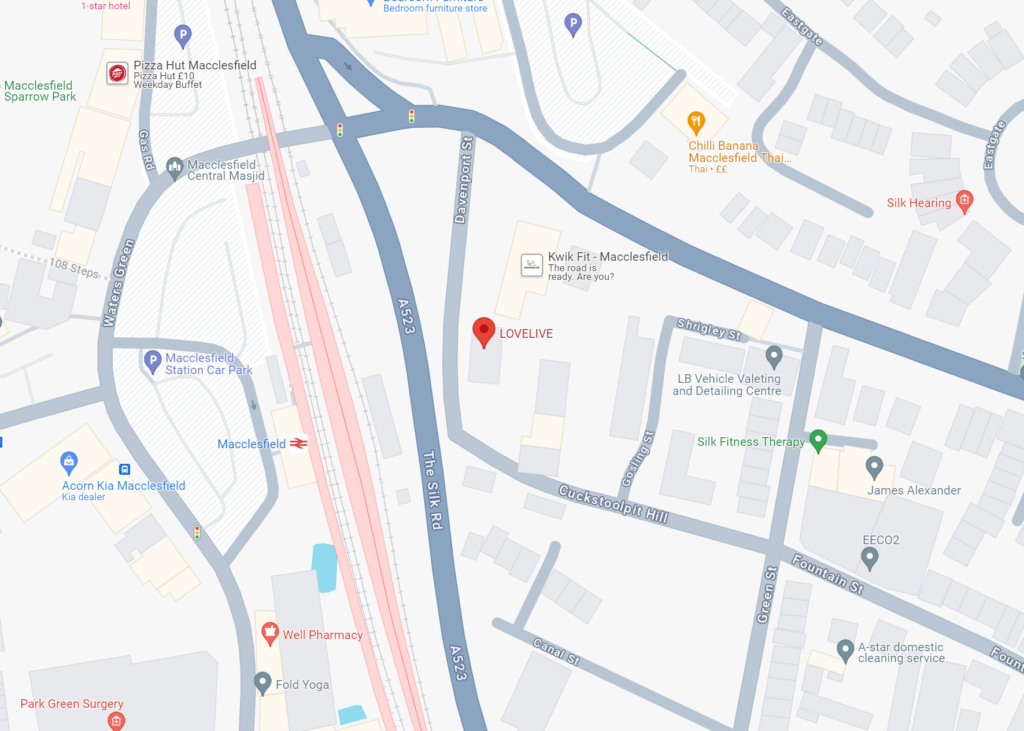
LOVELIVE can help
Since 2010, we’ve worked with healthcare innovators who need to communicate complex ideas to demanding audiences. We get the regulatory constraints, we understand the multiple stakeholders, and we know how to translate technical innovation into compelling stories.
What we do:
- Brand identity and visual systems
- Creative strategy and messaging frameworks
- Data visualisation and diagrammatic storytelling
- Website UX/UI and service-explainer content
- Pitch decks, proposals and investor-facing materials
- Illustration, animation and motion graphics
- Report and insight publication design.